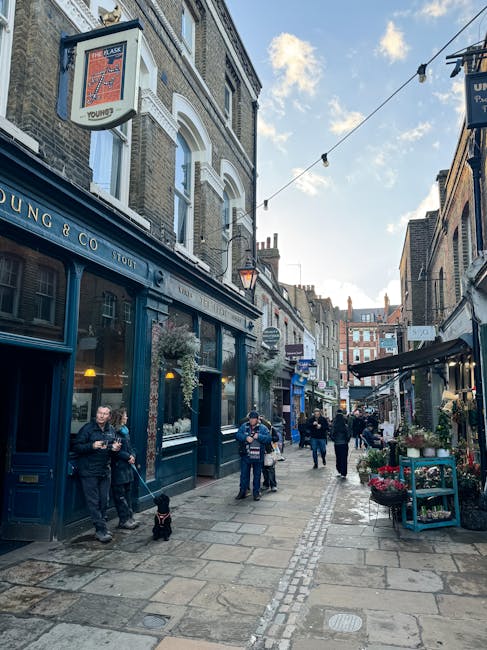
Camden Council removal permit rules for Hampstead moves: what you need to know before moving day
If you are planning a move in Hampstead, the last thing you want is a van turning up, a neighbour glaring at blocked access, or a fine because the stopping arrangement was never checked. That is exactly why Camden Council removal permit rules for Hampstead moves matter. The rules around parking, loading, bay suspensions, and access can shape the whole day, sometimes more than the packing does.
This guide breaks the topic down in plain English: what the rules usually affect, how the process tends to work, what to check before booking a removals team, and how to avoid the kind of last-minute headaches that are so easy to miss. If you are juggling keys, boxes, and a tight London street, a little preparation goes a long way.
Why Camden Council removal permit rules for Hampstead moves Matters
Hampstead has all the charm people fall in love with: narrow roads in places, period properties, awkward bends, and a steady flow of residents moving in and out. Lovely to live in. Less lovely when a van cannot stop where you expected it to.
In practical terms, the permit side of a move is about making sure the vehicle can legally stop, load, unload, or occupy space without causing avoidable disruption. That may involve a parking permit, a bay suspension, a loading exemption, or simply checking whether the chosen street is suitable for a removals vehicle at all. The exact arrangement depends on the road, the timing, and the type of vehicle.
For Hampstead moves, this matters because many streets are busy at the best of times. A small mistake can snowball into delays, extra labour, frustration, and sometimes a completely changed plan. You do not want the team carrying a wardrobe down a hill because the van cannot get close enough. Been there, seen that, and nobody calls it a fun morning.
If you are moving from a flat, a townhouse, or a rental with limited curb space, planning ahead is not just tidy. It is often the difference between a calm move and a slightly chaotic one. If your move also involves packing support, our packing and boxes service in Hampstead can make the prep side far easier.
How Camden Council removal permit rules for Hampstead moves Works
The details can vary by street, vehicle size, and timing, but the process usually follows the same basic logic: you identify where the removal vehicle will stop, decide whether that space is legal and available, and then arrange any permissions or suspensions needed before moving day.
In a busy London borough, there are usually a few moving parts:
- Parking restrictions: some streets have resident bays, pay-and-display bays, single yellow lines, or limited waiting controls.
- Loading and unloading needs: even short loading stops can need checking if the street is tightly controlled.
- Bay suspensions: if a bay needs to be kept clear for the removals van, a suspension may be necessary.
- Vehicle access: larger vans may not be practical on certain roads, especially where parking is tight or turning space is limited.
- Timing: morning rush hour, school runs, and commuter traffic can make an otherwise simple move much harder.
One thing people often miss is that there is a difference between "I can probably stop there for a minute" and "I am allowed to stop there for moving purposes." That sounds obvious, yet in the rush of a move, it gets overlooked all the time.
The other detail worth stressing is that a removals company may know the practical side well, but the responsibility for checking local restrictions still sits with the mover unless the service agreement says otherwise. That is why it helps to speak clearly about access, parking, and road constraints before the booking is confirmed.
For a move that needs a smaller vehicle or better manoeuvrability, a man with a van in Hampstead can sometimes be a smart fit, especially where access is the main challenge rather than volume alone.
Key Benefits and Practical Advantages
Sorting the permit and parking side properly does more than avoid a ticket. It improves the whole rhythm of the move.
- Less delay: the crew can load and unload without circling the block or waiting for a space to open up.
- Lower stress: fewer surprises means fewer moving-day arguments. Simple, but important.
- Better protection for belongings: a van parked closer to the property means fewer carries, less risk, and a more efficient flow.
- Reduced cost risk: delays can push up labour time, which is never ideal if you are working to a schedule.
- Cleaner neighbour relations: a planned stop is usually less disruptive than a van that is guessed into position and left there awkwardly.
There is also a quieter benefit: the move feels under control. That matters more than people think. When the first few boxes are loaded neatly and the van is where it should be, the whole day tends to calm down. You can hear the difference, honestly. Less shuffling, fewer repeated questions, less "where did we put the kettle?" energy.
If you are comparing support options, it may help to review the broader removal services overview to see how parking, loading, and access fit into the job from the start.
Who This Is For and When It Makes Sense
This topic is not just for landlords or big house moves. It matters for a wide mix of Hampstead residents and businesses.
- Flat movers: especially if the building has limited driveway access or a narrow entrance road.
- House movers: period homes and terraced streets can make stopping space precious.
- Students and sharers: small moves still need good vehicle access, even if the load is modest.
- Office relocations: business moves often have tighter timing, so any parking delay becomes more expensive.
- People moving on short notice: if the move is fast, the risk of missing the permit step rises sharply.
It also makes sense if your property sits near busier local routes, or if the removal van will need to wait while lifts, keys, or building access are sorted. That little waiting window is where parking control becomes genuinely important.
For smaller relocations, our flat removals in Hampstead and house removals in Hampstead pages are useful if you want to see how move type changes the logistics.
If your move is a rental changeover or a more modest load, a man and van Hampstead arrangement may suit you better than a larger lorry-style setup. Not always, but often enough.
Step-by-Step Guidance
Here is the most practical way to approach the permit and access side of a Hampstead move.
- Check the exact moving address. Do not rely on the postcode alone. Two nearby streets can have very different parking restrictions.
- Assess the vehicle size. A small van may fit into a tight street where a larger removal vehicle would struggle.
- Look at loading access. Can the van stop near the front door? Is there a basement entrance, steep steps, or a long carry?
- Confirm the moving time. Midday may be easier than early morning or late afternoon, depending on traffic and road use.
- Ask whether a parking suspension or other permission is needed. This is the bit people forget most often.
- Tell the removals team about restrictions in advance. Mention yellow lines, residents' bays, narrow gates, low trees, or nearby roadworks.
- Build in a buffer. Even a well-planned move can run long if lifts are slow or furniture is awkward.
- Keep proof and confirmations handy. If anything has been approved or arranged, keep it together with your booking details.
One very common scenario: a customer books a van for a Friday move, assumes the street will be "fine for five minutes," and then discovers the only usable stopping point is a controlled bay that is already occupied. Suddenly the van is parked a street away and the sofa becomes a problem. Not a disaster, but definitely avoidable.
If access is likely to be tricky, this is where narrow street access tips for Hampstead house removals can be especially helpful. It deals with the practical side people actually run into on the day.
Expert Tips for Better Results
A few simple habits make the permit and parking part much smoother.
- Measure the access point if needed. If your entrance is tight, know the width and any height restrictions before the van arrives.
- Plan for loading order. Put the heaviest or least forgiving items in first so the team is not wasting time reworking the stack.
- Use a realistic start time. An early start can help, but only if the property is ready and access is actually clear.
- Keep children and pets out of the loading area. That sounds basic, but in moving chaos, basic things get missed.
- Tell neighbours if the street is tight. A little courtesy goes a long way in a place like Hampstead.
Truth be told, some moves are more about choreography than muscle. A good mover will adapt, but the customer can help a lot by giving clear information. When that happens, the day tends to feel almost boringly smooth. And boring is lovely on moving day.
If your move includes special items, such as a piano or bulky furniture, the access conversation matters even more. For awkward loads, you may want to look at piano removals in Hampstead or furniture removals in Hampstead so the planning matches the item, not just the address.
Common Mistakes to Avoid
The biggest mistakes are usually not dramatic. They are small assumptions that stack up.
- Assuming the van can "just stop outside." In controlled streets, that is rarely a safe assumption.
- Leaving permit checks until the night before. If something needs arranging, late notice can box you in.
- Booking the wrong vehicle size. Too large and access becomes a nightmare; too small and you need multiple trips.
- Not mentioning road features. Speed bumps, narrow corners, and loading restrictions matter more than most people expect.
- Forgetting building rules. Some blocks have management conditions that affect delivery windows, lift use, or frontage access.
- Ignoring rain, school traffic, or peak congestion. London weather and traffic can be charming in theory. Not so charming with a sofa.
Another one is underestimating how long each carry takes. A short carry can be fine. A long one, up stairs, with awkward packaging, becomes a very different beast. The permit issue then becomes a labour issue too.
If you are pricing the move, have a look at common Hampstead man and van pricing mistakes. Access and parking are often part of the hidden cost picture.
Tools, Resources and Recommendations
You do not need a complicated toolkit, but a few practical items help a lot.
- Building access notes: lift times, entrance codes, concierge hours, and any move-in restrictions.
- Parking observation: a quick look at the street at the same time of day can reveal far more than a map.
- Floor plan or room list: helpful for deciding where the van should park and how items should be staged.
- Protective packing materials: good boxes, covers, and wrapping reduce damage when the carry is longer than planned.
For packing support, the dedicated package and boxes Hampstead page is a useful starting point if you want to get the basics in place properly.
For broader move planning, you can also review removal services in Hampstead and removals in Hampstead. If you are comparing providers, the removal companies Hampstead page is a useful way to think about service scope rather than just headline price.
Law, Compliance, Standards, and Best Practice
This is the bit people often want handled carefully, so let us keep it clear. Parking, loading, and permit requirements are governed by local traffic and parking controls, plus any specific restrictions that apply to the road or bay in question. The exact practical rule can change from one street to the next, and sometimes from one time of day to another.
That means the safest approach is always to confirm the access arrangement before moving day rather than treating it as an on-the-spot problem. In real life, that usually means checking whether the van can legally wait, whether a bay needs suspending, and whether the removals team can load without causing an obstruction.
Best practice for movers in Hampstead generally includes:
- confirming street restrictions early,
- using the right vehicle size for the road,
- keeping the loading area as clear as possible,
- avoiding unnecessary blocking of residents or emergency access, and
- making sure everyone involved understands the plan.
If you are moving fragile items or business stock, it also makes sense to think about safety and insurance as part of compliance, not as an afterthought. Our insurance and safety information is useful if you want to understand the careful side of the service.
And because removals involve more than roads and bays, a responsible provider should also have transparent policies. You can browse terms and conditions, privacy policy, and health and safety policy for a fuller picture of how the service is handled.
Options, Methods, or Comparison Table
Choosing the right way to manage access depends on the property, the volume, and how strict the street controls are. Here is a simple comparison.
| Option | Best for | Strengths | Watch-outs |
|---|---|---|---|
| Small van / man and van | Flat moves, lighter loads, narrow streets | Easier to manoeuvre, often simpler for tight Hampstead roads | May need more trips if the load is larger than expected |
| Standard removal van | Typical house or flat moves with moderate volume | Good balance of capacity and efficiency | Access still needs checking carefully in compact streets |
| Planned permit or bay suspension | Controlled roads where a stopping place must be reserved | Reduces risk of parking conflict and delays | Needs advance planning and accurate timing |
| Off-peak move | Busy streets, school-adjacent roads, or time-sensitive jobs | Often calmer, easier to load, less traffic pressure | May not suit every tenancy handover or building window |
If you are still weighing options, start with the move itself. A compact flat relocation, for example, may not need the same setup as a large family house move. Matching the method to the reality on the street is what keeps things tidy.
Case Study or Real-World Example
Here is a realistic Hampstead-style scenario. A couple moves from a top-floor flat on a residential street with limited turning space. They initially assume the removal van can stop right outside for an hour or so. On inspection, the street has resident parking and very little free frontage. A larger van would have struggled, and the carry from the nearest available stop would have been long and awkward.
Instead, they switch to a smaller vehicle, start earlier in the day, and keep the loading area clear. They also pack the boxes more carefully than expected, which helps the move go in logical stages rather than in a frantic pile-up. The van parks closer, the carry is shorter, and the whole thing stays manageable. Not glamorous, but effective.
What made the difference was not brute force. It was access planning. That is usually the pattern.
For people moving in or around the village area, the local street layout can be especially unforgiving. A helpful companion read is our Hampstead Heath guide for man and van removals, which touches on local movement patterns and practical route thinking.
Practical Checklist
Use this before move day. It saves time, and a bit of sanity too.
- Confirm the exact moving address and entrance point.
- Check whether the street has controlled parking or loading restrictions.
- Decide whether the van size suits the road and the property.
- Ask if any permission, suspension, or special arrangement is needed.
- Share access details with the removals team in writing if possible.
- Note lift access, stair count, and any long carry from van to front door.
- Prepare boxes and protective wrapping before the team arrives.
- Keep keys, phones, and confirmation details together.
- Plan for weather, traffic, and a little extra time.
- Tell neighbours if the road is likely to be busy during the move.
Checklist done? Good. That is half the battle already.
Conclusion
Camden Council removal permit rules for Hampstead moves are not something to leave until the last minute. The core idea is simple: check the street, understand the stopping rules, match the vehicle to the access, and plan ahead so loading can happen legally and efficiently. Once that is sorted, the rest of the move tends to behave itself a lot better.
In a neighbourhood like Hampstead, where the roads can be beautiful but not especially forgiving, that bit of planning really pays off. It keeps costs more predictable, reduces stress, and helps the day feel like a move rather than a scramble. And to be fair, everyone deserves a calmer start in a new home.
If you are getting ready to move and want help with access planning, packing, or the right vehicle choice, explore the site's removals information, compare the available support, and speak with the team early so the plan fits the street as well as the property.
Get a free quote today and see how much you can save.
Frequently Asked Questions
Do I always need a permit for a Hampstead move?
Not always. Some moves can be done without a formal permit if the van can legally stop in an unrestricted or appropriately timed loading space. The key is to check the exact street rules rather than assuming every move needs the same arrangement.
Who is responsible for checking parking rules?
Usually the mover, or whoever is arranging the removal, should check the access and parking situation in advance. A removals company may help guide the process, but you should not assume the street will be fine without confirmation.
Can a removal van stop on yellow lines in Hampstead?
Sometimes loading may be possible in certain circumstances, but this depends on the road, the restrictions, the time of day, and local enforcement rules. It is best not to treat yellow lines as a free pass. They rarely are.
How far in advance should I arrange parking or access checks?
As early as you can. For a straightforward local move, a few days may be enough to investigate the details. For tighter streets, larger vehicles, or busier periods, give yourself more time so you are not trying to solve the puzzle the night before.
What happens if the van cannot park near my property?
The team may need to park further away, which usually means a longer carry and more time. That can affect the pace and, in some cases, the cost. It is one of the main reasons access planning matters so much.
Is a smaller van better for Hampstead streets?
Often, yes, especially where roads are tight or parking is limited. A smaller van can be much easier to position. But the right choice depends on load size too, so smaller is not always better if it means multiple trips.
Do flats and houses need different access planning?
Yes, usually. Flats often involve lifts, stairwells, shared entrances, and stricter building rules. Houses may have easier entry but still face road access issues. Both need proper checking, just in different ways.
Will parking restrictions affect my moving cost?
They can. If the team has to wait, walk further, or rework the plan because of access problems, that can increase time and effort. A smooth parking setup helps keep things efficient and more predictable.
What should I tell the removals company before moving day?
Tell them the full address, the type of property, any narrow access, whether parking is limited, whether there are stairs or lifts, and whether there are time restrictions from the building or street. The more honest and specific you are, the better the move will usually go.
Can same-day moves still work with permit and access issues?
Yes, but they need to be handled carefully. Same-day moves leave less room for parking surprises, so access details become even more important. If speed is the priority, check that the route and stopping plan are realistic before you commit.
What is the biggest mistake people make with Hampstead removal access?
Assuming that a van can simply pull up outside and everything will work out. That one assumption causes a surprising amount of hassle. A quick check ahead of time is far easier than trying to solve a parking problem with boxes already on the pavement.
Where can I find more help with a Hampstead move?
You can look through the site's service pages, review the packing and removal guidance, and get in touch once you know the move date and access constraints. For a detailed look at how different move types are handled, the service and removals pages are a good place to start.