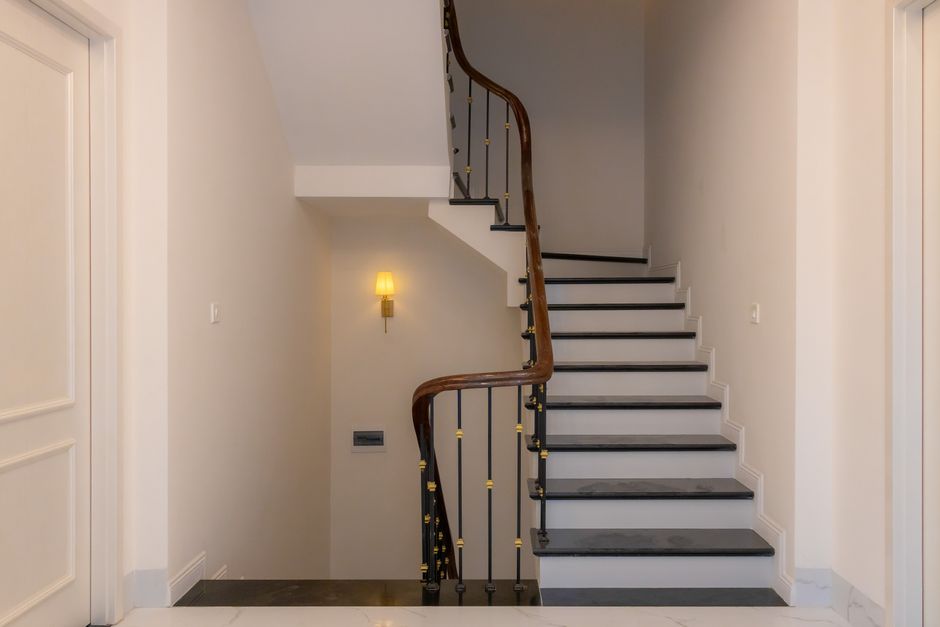
Swiss Cottage Flat Removals: What to Know About Stair Access
Moving out of a flat in Swiss Cottage can be smooth enough on paper, then suddenly the stairs appear and everything gets more interesting. If you are dealing with narrow landings, awkward turns, or a top-floor walk-up, stair access becomes one of the biggest factors in the whole move. And to be fair, it is often the bit people underestimate.
This guide on Swiss Cottage flat removals what to know about stair access explains what stair access really means in practice, why it affects planning and cost, how movers assess risk, and what you can do to make the day less stressful. If you want a move that feels organised rather than chaotic, the details below will help. Little things matter here. Really.
Why Swiss Cottage flat removals what to know about stair access Matters
Stair access sounds simple until you are trying to carry a wardrobe down a tight staircase with a banister on one side, a turn halfway, and a neighbour's bicycle in the way. In Swiss Cottage, flats often sit in period buildings, mansion blocks, conversions, and older walk-ups where stairs can be steep, narrow, or just awkward. That changes the whole removal plan.
The main issue is not just convenience. Stair access affects:
- how long loading and unloading will take
- how many people are needed on site
- whether larger furniture can move safely in one piece
- the chance of wall, bannister, or floor damage
- the type of vehicle and equipment required
In a building with lift access, a move can often be quick and fairly direct. Without a lift, every item becomes a small project. You start thinking differently about your sofa, your mattress, and that heavy bookcase you swore you would "sort out later".
Stair access also matters for neighbours and building management. Hallways must stay clear, noise needs to be kept sensible, and shared areas should be protected. A careful mover understands all of that. A rushed one makes everyone miserable before noon.
If you are also comparing providers, a good starting point is a well-structured home moves service or a flexible man and van option, depending on the size of your property and how much you need shifted.
How Swiss Cottage flat removals what to know about stair access Works
Most stair-access removals follow a simple logic: assess first, protect second, lift third. The practical work begins before the van arrives, often when the mover asks for a description of the property or photos of the stairwell, entrance, and any awkward corners.
A typical stair-access plan includes the following steps:
- Access check - The mover notes how many flights of stairs there are, whether the staircase turns sharply, and whether the banisters, ceilings, or landings create a pinch point.
- Item review - Large pieces are listed first: wardrobes, sofas, beds, appliances, desks, and anything unusually bulky.
- Protection plan - Floors, corners, and doors may need covers, blankets, wraps, or corner guards.
- Carry strategy - Items are assigned a route, with the team deciding whether they can be moved as they are or should be dismantled.
- Loading order - Heavier and more awkward items are handled when the team is freshest, not after everyone is already tiring out.
That last point sounds obvious, but it is one of those details people only appreciate halfway through a move. A tired pair of movers carrying a bed base on a tight staircase is not a recipe for elegance.
Good movers will also think about the street outside. In parts of Swiss Cottage, parking and stopping can be tight, so the vehicle position matters. A shorter carry from van to building is usually better, but only if it does not block access or create safety problems.
For moves with more furniture or more delicate items, it can make sense to use a broader removal services package or, if the move is larger, a dedicated house removals team rather than treating it like a standard small job.
Key Benefits and Practical Advantages
When stair access is properly planned, the move becomes safer, faster, and usually less stressful. You also reduce the chances of costly last-minute surprises. That is the real benefit. Not the glossy brochure version, but the one that saves time and avoids a chipped wall.
- Better safety - Fewer awkward carries mean less strain on people and less risk of dropping items.
- Less damage - Careful route planning protects walls, bannisters, tiles, and flooring.
- More realistic scheduling - You get a time estimate that reflects the real building layout, not just the flat size.
- Fewer delays - If movers know about the stairs, they arrive prepared rather than improvising.
- Better furniture decisions - You can identify items that should be dismantled before moving day.
There is also a mental benefit, which people underestimate. Once you know the staircase has been factored in, you stop worrying quite so much. You can focus on packing, cleaning, and keeping your kettle reachable for the morning after. Honestly, that kettle matters.
If you want reassurance around the moving team itself, check pages like about us and insurance and safety so you know the basics of how the work is approached.
Who This Is For and When It Makes Sense
This matters for almost anyone moving out of a flat, but it is especially relevant if you are in a top-floor property, a building with no lift, or a place where the staircase is narrow enough to make a sofa look suddenly philosophical.
It makes sense to plan stair access carefully if you are:
- leaving a conversion flat with tight internal stairs
- moving from a mansion block or older terrace conversion
- handling heavy furniture such as wardrobes, sofas, or white goods
- living in a building where access is shared with neighbours
- moving on a tight schedule and cannot afford trial and error
- working with fragile items that need a steadier carry
It is also useful if you are comparing man with van support against a bigger team. A compact move might suit the former, but a three- or four-flight stair carry with heavy furniture often benefits from more hands. It depends on the building and the load, not just the postcode.
Truth be told, some people only realise the issue after the first viewing van arrives and the driver looks up at the staircase in silence. That is usually the moment the planning conversation gets serious.
Step-by-Step Guidance
Here is the cleanest way to handle stair access for a Swiss Cottage flat removal without turning the day into a scramble.
1. Measure the route, not just the room
Do not stop at "two bedrooms and a lounge". Measure the staircase width, landings, turns, and any points where furniture might snag. If a wardrobe can fit in the room but not around the bend, the room size does not help much.
2. Identify problem items early
Walk through the flat and mark the likely troublemakers. Sofas with fixed arms, king-size mattresses, glass tables, tall bookshelves, and bulky appliances are the usual suspects. You know the items. The ones you keep looking at and thinking, perhaps not ideal for this staircase.
3. Decide what should be dismantled
Some items are best taken apart before moving day. Bed frames, large shelving, desks, and some wardrobes can often be reduced into easier pieces. If dismantling is required, keep screws and fittings in labelled bags.
4. Clear the route inside and outside
Hallways, entrance points, and the area by the van should be free of clutter. A clear route reduces trip risks and speeds up the carry. It is a simple fix, but a brilliant one.
5. Protect shared areas
Use coverings on floors and corners where needed. In a rental or managed block, this is not just polite. It shows you have thought about the building and the people in it.
6. Build in extra time
Stair access almost always takes longer than ground-floor loading. Leave a buffer so that a slow carry, a narrow landing, or a neighbour passing through does not throw the whole move off.
7. Keep essentials separate
Pack a separate bag for keys, chargers, snacks, medication, paperwork, and a change of clothes. It sounds basic, but on a stair-heavy move, the last thing you want is to be hunting for the kettle while wrapped in bubble wrap.
Expert Tips for Better Results
In our experience, the best flat removals in Swiss Cottage are the ones where the mover, the tenant, and the building all get treated as part of the same puzzle. If one piece is ignored, the day gets messy fast.
Tip 1: Send photos, not just descriptions. A message saying "small staircase" does not tell the full story. A quick photo of the stairwell, landing, and entrance is far more helpful. It removes guesswork.
Tip 2: Be honest about the heavy stuff. People sometimes leave out the "slightly heavy" bookcase or the "not too bad" sofa bed. Then the team turns up and, well, surprise.
Tip 3: Ask about protection materials. Blankets, straps, wraps, and corner guards are practical tools, not extras for show. If you are booking a mover, ask how they protect stairwells and furniture.
Tip 4: Check the timing around other residents. In a shared building, moving early in the morning or late in the evening can create unnecessary friction. Aim for a sensible window if you can.
Tip 5: Think in stages. A removal does not always have to happen as one giant event. A smaller move may be split into a first carry for furniture and a second carry for boxes. That can reduce chaos and improve flow.
If you are still comparing options, a trusted removal company can usually help you judge whether a small team, a van-only move, or a more structured removal setup is the right fit.
Expert summary: Stair access is not just a building detail. It is a moving-day variable that affects safety, timing, equipment, labour, and cost. Handle it early and clearly, and the whole move becomes easier.
Common Mistakes to Avoid
The biggest mistakes are usually the simplest ones. That is annoying, but true.
- Assuming a lift will be usable - Always confirm whether it works, whether it can take large items, and whether there are access rules.
- Ignoring bannisters and tight corners - A staircase may look fine until a sofa turns sideways and refuses to behave.
- Leaving dismantling until moving day - This wastes time and creates pressure when everyone should be focused on carrying.
- Forgetting building rules - Some blocks have time limits, booking rules, or protection expectations for communal areas.
- Underestimating parking distance - Even a short street carry gets longer if the vehicle cannot stop close to the entrance.
- Packing boxes too heavily - On stairs, overfilled boxes are not heroic. They are awkward, unsafe, and annoying to handle.
One mildly embarrassing but common issue: people pack every box to the brim and then wonder why it feels like carrying a sack of bricks down a stairwell. There is no medal for that.
A practical move uses judgement. Sometimes that means doing a little less, but doing it well.
Tools, Resources and Recommendations
You do not need a warehouse of specialist kit for a flat move, but the right tools make stair access much safer.
- Furniture blankets - Helpful for protecting wood, paintwork, and corners.
- Straps and webbing - Useful for stabilising heavier items during a carry.
- Protective wrap - Good for sofas, mattress covers, and fragile edges.
- Hand trucks or sack trucks - Best used where stair width and weight allow it.
- Tool kit - Keep screwdrivers, Allen keys, tape, and labels ready for dismantled furniture.
- Floor protection - Especially important in shared buildings or when moving in wet weather.
For packing support, a professional packing and unpacking services option can save time and reduce the number of heavy, awkward boxes you create yourself. That can make stairs far easier to manage.
If you are moving larger or more numerous items, you may also benefit from a bigger vehicle such as a moving van or, for larger loads, arrangements that include a moving truck. The key is matching transport to the staircase, not just to the number of rooms.
Law, Compliance, Standards, and Best Practice
This kind of move sits in a practical safety context. In the UK, movers and customers should both think about safe handling, keeping access ways clear, and avoiding damage or injury. You do not need to become a legal expert, thankfully. But a sensible approach matters.
Best practice usually includes:
- manual handling awareness - heavy and awkward items should be carried with care and, where needed, by more than one person
- safe access planning - stairways, landings, entrances, and parking should be reviewed in advance
- risk reduction - cover vulnerable surfaces, remove trip hazards, and avoid rushing
- building courtesy - shared areas should be respected, especially in flats and conversions
- insurance awareness - confirm what cover applies if something is accidentally damaged
If you are booking through a provider, it is sensible to review their health and safety policy and terms and conditions. That gives you a clearer picture of how the move is managed and what is expected from both sides.
Also, if your move involves access issues, shared entrances, or concerns about possible damage, it is worth understanding how the company handles claims and cover through its insurance and safety information. A few minutes here can save a headache later. Possibly a big one.
Options, Methods, and Comparison Table
There is no single best approach for every stair-access move. The right method depends on how much you are moving, how tight the building is, and how much help you want on the day.
| Move type | Best for | Pros | Watch-outs |
|---|---|---|---|
| Small van move | A few boxes, light furniture, shorter stair carries | Flexible, often economical, easier to park | May be too limited for bulky items or multiple flights |
| Man and van | Smaller flat removals with some stair access challenges | Good balance of cost and support, practical for mixed loads | May need careful pre-planning if furniture is large |
| Full removal team | Multi-room flats, heavy furniture, or awkward stairwells | More manpower, better for tricky carries, usually more organised | Can cost more than a basic lift-and-load job |
| Disassembly-led move | Large items that will not safely fit around the stairs | Reduces damage risk, easier handling on tight turns | Takes time and requires labelled parts and tools |
If you are unsure which option fits, compare the stair layout against the item list. That is the honest answer. Not glamorous, but reliable.
For people weighing up local help, removals near me can be a useful starting point when you want someone who understands the area, local access patterns, and the practical realities of flat moves.
Case Study or Real-World Example
A recent-style Swiss Cottage flat move might look something like this: a two-bedroom flat on the third floor, no lift, a tight turn halfway up the stairs, and a large sofa that is technically moveable, but only if everyone breathes deeply and plans well.
The mover starts with photos of the staircase. They spot the narrow landing and realise the sofa may need to be turned upright for part of the carry. The bed frame is dismantled the evening before, labels are added to the bolts, and the boxes are kept under control rather than overstuffed. The team arrives with blankets and straps, protects the corners, and does the heaviest carry first while energy is still good.
Nothing dramatic happens. Which is exactly the point.
The move finishes later than a ground-floor job would, naturally, but the stairwell stays intact, the furniture arrives safely, and nobody spends the afternoon arguing with a staircase. That is a good day in removals terms. Not perfect, just properly managed.
Practical Checklist
Use this checklist a few days before your move if stair access is involved.
- Confirm how many flights of stairs there are
- Check whether a lift exists and whether it can be used for furniture
- Measure large items and compare them to stair width and landing space
- Identify furniture that may need dismantling
- Label boxes clearly and avoid overpacking them
- Clear hallways and entrance areas
- Ask about floor, wall, and corner protection
- Confirm parking or stopping arrangements near the building
- Tell the mover about any awkward corners, low ceilings, or tight turns
- Keep essentials in a separate bag for the first night
- Review any building rules or access restrictions
- Double-check insurance and safety details before move day
A small bit of prep goes a long way here. It really does.
If you want a service that feels well planned from the start, have a look at the wider range of removals support available and choose the level of help that matches your flat, your staircase, and your schedule.
Conclusion
Stair access is one of those moving details that looks minor until it becomes the main event. In Swiss Cottage, where flats often come with older layouts, tighter stairs, and shared entrances, planning for the staircase is not optional. It is one of the smartest things you can do.
When you measure properly, dismantle what needs dismantling, clear the route, and choose the right level of moving support, the whole process becomes calmer. Less guesswork. Less strain. Fewer surprises. And let's face it, moving day already has enough surprises without a wardrobe fighting the stairwell.
Get a free quote today and see how much you can save.
With the right preparation, even a tricky flat move can feel manageable, and that is a pretty good place to end up.
Frequently Asked Questions
Do I need to tell the mover about stair access before booking?
Yes. Stair access changes labour needs, timing, and sometimes equipment. The more clearly you describe the building, the better the plan will be.
What counts as difficult stair access in a flat move?
Tight turns, narrow landings, steep stairs, multiple flights, low ceilings, and awkward entry points all count. Even one of those can slow a move down.
Can furniture usually be carried up or down stairs in one piece?
Sometimes, but not always. Large wardrobes, sectionals, and oversized beds often need dismantling or careful angle planning to move safely.
Is stair access more expensive?
It can be, because it usually takes more time and sometimes more people. The exact cost depends on the item list, access conditions, and the amount of handling involved.
Should I dismantle furniture before the movers arrive?
If you can do so safely, yes. It saves time and reduces the chance of damage on tight staircases. Keep fittings in clearly labelled bags.
What if the building lift breaks on moving day?
That is exactly why stair access should be discussed in advance. A sensible mover will be prepared to adapt, although the job may take longer.
How do movers protect stairs and shared hallways?
They may use blankets, floor coverings, corner protection, and careful carrying methods. Good protection is especially important in older flats and managed buildings.
Can I still use a man and van for a top-floor flat?
Yes, if the load is manageable and the access is clearly explained. For heavier or larger moves, a bigger team may be more suitable.
What should I measure before the move?
Measure the width of staircases, landings, doorways, and any tricky turning points. Also note ceiling height where furniture may need to tilt or rotate.
How much extra time should I allow for stairs?
There is no universal figure, but you should always allow a buffer. The number of flights, the size of the furniture, and the parking situation all matter.
Do I need permission from the building management for a flat removal?
Sometimes, yes. Many flats and mansion blocks have rules around moving times, lift booking, or protection of communal areas, so it is wise to check first.
What is the safest way to move heavy items downstairs?
Use proper lifting technique, clear the route, and do not rush. If an item is too heavy or awkward, it is better to get help or dismantle it than force it.
What if my sofa does not fit around the stair turn?
Then it may need to be carried upright, partially dismantled, or taken through an alternative route if one exists. If none of those work, the item may not be suitable for that building without special planning.
How do I choose the right moving service for a stair-heavy flat?
Match the service to the building and the volume of furniture. A smaller move may suit a flexible van service, while a complex stair carry often benefits from a fuller removal team and careful planning.